Garden Clearance in Carshalton

Garden clearance in Carshalton should leave outdoor spaces tidy, usable and ready for the next stage of the year, whether that means removing bramble growth, taking away broken sleepers, lifting old fencing sections or clearing mixed garden waste after a long period of neglect. Our service focuses on practical removal work carried out with care for the layout of the property and the materials involved, so the finished space is easier to manage and safer to work in.
We handle a wide range of garden clearance tasks, from single-load tidy-ups to fuller clearances where several materials need separating and removing. That can include cuttings, soil, turf, plant waste, timber, plastic planters and other unwanted outdoor items. If you are comparing ways to clear a garden, it helps to think about access, volume, what can be recycled and whether the job needs to happen in stages. Clear information at the start makes it easier to match the work to the right approach.
If you are planning outdoor improvements, start by gathering the main items that need to go and note any awkward access, steep paths or narrow side returns. A brief list of the materials is often enough to frame the job. You can request a quotation once you know what needs clearing, or keep reading to see how the service is usually organised.
Garden waste removal and bulky outdoor items
Garden clearance is not only about leaves and clippings. Many jobs involve larger pieces that no longer belong in the space, such as damaged garden furniture, rotting sheds sections, broken trellis, cracked pots, old play equipment or unwanted ornaments. Removing these items first often opens up the area so that the lighter organic waste can be collected more efficiently. We can manage mixed loads where green waste sits alongside inert or recyclable materials, provided the work remains suitable for a clearance visit rather than a specialist demolition project.
For some customers, the main issue is volume rather than complexity. A garden can accumulate several small items over time until they become a significant task to sort through. In those cases, a structured clearance is usually more practical than trying to move everything in one go with domestic vehicles. If you already know which items are staying, set them aside before the visit and keep the rest together where possible. Pricing and quotes can then be considered against the amount, type and access involved.
Not every outdoor clear-up is the same, so it helps to distinguish between light seasonal waste and heavier material that needs more handling. To make the process easier, many people find it useful to note three things before they enquire:
- the main material types present in the garden
- any heavy or awkward items that need lifting
- how the waste can be reached from the house or gate
Plant waste, turf and overgrown sections

Some gardens mainly need vegetation cut back and taken away. That can include hedge trimmings, brambles, ivy, weeds, roots from minor clearances, dead plants and excess turf from small landscaping changes. The aim is to remove the material cleanly so the remaining boundary lines, beds and hardstanding are easier to see. In overgrown areas, work often becomes more straightforward when it is broken down into sections rather than treated as one single pile.
When a garden has become heavily overgrown, it can hide other items that also need removing. For example, buckets, broken tools, paving fragments or buried edging may only become visible once the green growth has been reduced. In that situation, the clearance may involve a sequence of collection points rather than a simple load-and-go approach. That is one reason why it is useful to describe the condition of the site carefully rather than focusing only on the final result.
Garden clearance is best approached as a practical service with a clear end point: waste removed, surfaces left tidy and the remaining area easier to maintain. If you are comparing options, remember that the kind of vegetation matters as much as the amount. Soft cuttings, woody stems and rooty material can behave differently in the load, so a straightforward estimate usually depends on both composition and volume. A concise enquiry helps keep expectations realistic from the outset.
How we handle access, sorting and loading
Good garden clearance depends on access as much as on the waste itself. Narrow side passages, steps, uneven ground and long carrying distances all influence the way the work is organised. Where possible, items are gathered into manageable loads and separated where that supports recycling or disposal. The aim is to complete the work without disturbing remaining plants, paved areas or borders any more than necessary.
If you are preparing a quotation request, it helps to have a rough idea of the route from the garden to the vehicle area, the width of any gates and whether the clearance includes items stored behind other material. A few photographs can be useful, but a short written description can be just as valuable. Contact us when you are ready to discuss the job, or keep the notes together if you still need to decide exactly what is going.
Waste removal can suit gardens that produce a varied mix of material, especially where the job includes both outdoor waste and a few non-garden items that have ended up outside over time. The most useful quotations usually reflect the amount to move, the ease of access and any separation needed on site. If the layout is complicated, it is better to mention that early than to rely on assumptions later.
Clearance for sheds, furniture and leftover materials

Many garden clearances involve more than soft green waste. Old benches, faded cushions, rusted frames, damaged parasols, broken storage boxes and dismantled shed contents may all need to be taken away alongside the garden debris. These jobs are often most efficient when the soft and hard materials are arranged separately before loading, because that makes it easier to handle each item safely and to decide what can be moved together.
We also help when an outdoor space contains leftover materials from previous improvements, such as offcuts of timber, soil bags, paving remnants, metal fittings or stacked containers that are no longer required. In those situations, the job is often less about heavy demolition and more about bringing order back to a cluttered boundary or patio. If a structure needs dismantling before removal, it is sensible to describe that as part of the enquiry rather than treating it as ordinary garden waste.
Furniture clearance may be relevant where the garden contains outdoor seating or stored household furniture that needs moving out with the rest of the clearance. It is best to keep the wording of the request precise, because garden waste, loose household items and dismantled materials may each call for different handling. That clarity can lead to a cleaner, more workable quotation and a better planned visit.
Recycling, disposal and what happens to mixed loads
Garden clearance often produces a mixed load, and the most sensible approach is to keep recyclable material separate from general waste where practical. Timber, metal, hard plastics, green waste and inert rubble-like material do not all travel through the same route. When a job is assessed properly, there is a better chance of directing materials to the most suitable outlet rather than treating everything as one category. Recycling and sustainability gives a useful indication of the kind of treatment people often want from modern clearance work.
That does not mean every load can be fully divided on site. Sometimes the priority is simply to remove accumulated material efficiently and leave the space clear. The exact balance between sorting and removal depends on what is present, how it is stored and how much handling is needed before loading. A clear description of mixed waste helps avoid confusion, especially if the garden includes both long-established rubbish and fresh cuttings from recent maintenance.
When a garden has become cluttered over a longer period, it is common for several categories of material to overlap. In that case, a practical clearance often starts with the items that take up the most space and then moves to smaller pieces that would otherwise be overlooked. Order matters because it improves both the time on site and the final finish. If you are unsure whether a material belongs in the load, mention it in the enquiry so it can be considered properly.
Indoor and outdoor clearances where garden access is involved

Some jobs look like garden clearance but actually include material from inside the property as well. That can happen where a loft, garage or spare room has been emptied into the garden, or where outdoor storage contains household items mixed with planting waste. In those cases, the work needs to be scoped carefully so that the right service is chosen and the visit is organised around all the material present rather than only the visible outdoor pile.
Garage clearance is useful when the side return, driveway or garden contains tools, shelving, boxes or old equipment that has drifted out of the garage and into the outdoor area. Similarly, a house or home clearance may be relevant if the garden is part of a wider decluttering project. The key is to keep each part of the load properly described, because the more varied the waste, the more useful an accurate breakdown becomes.
Where the outside area is tied into a larger clearance, it can be helpful to think about what should be removed first and what should be left in place for a later stage. Home clearance can sit alongside garden work when the property needs a broader tidy rather than a single isolated task. That arrangement does not change the nature of the garden service itself, but it can make the scheduling and loading more efficient when the site is busy or heavily used.
Pricing factors and quotation details
Garden clearance prices are usually shaped by a small number of practical factors: the volume of waste, the type of material, the ease of access and whether the work includes awkward lifting or extra separation on site. A compact load of soft cuttings is different from a mixed collection of roots, timber and damaged outdoor items, even when the space looks similar at first glance. That is why an accurate quotation benefits from a clear description rather than a brief label alone.
If the garden contains several distinct piles, it is usually worth saying so. A quotation can be made more useful when it reflects the actual spread of the work, including whether items are near the gate or hidden at the back of the plot. For straightforward requests, a short message may be enough; for larger clearances, a few extra notes about access and material types can make a real difference. About us can provide broader company information if you want to look beyond the service itself.
For homeowners and landlords alike, the practical goal is the same: a clear garden, sensible handling of the waste and an outcome that matches the site conditions. If you are comparing providers, focus on what is included in the work and how the materials will be managed rather than only on a headline figure. A good quotation should reflect the job as it actually is, not an idealised version of it.
About Carshalton
Carshalton is an area in the London Borough of Sutton in south-west London, historically associated with a cluster of settlements that grew around water meadows, springs and the River Wandle. The name is often linked with the parish and village character that survived alongside later suburban development, and much of its identity still comes from the contrast between built-up streets and notable green spaces. The locality includes familiar landmarks such as Carshalton Ponds, a prominent feature near the centre, and the landscaped grounds of Carshalton Park, both of which reflect the long relationship between the area and water, planting and open space. The built environment mixes older village structures with later housing and local shopping streets, creating a centre that feels compact rather than uniformly modern. St Philomena’s Catholic High School for Girls, Carshalton House and the Honeywood Museum area all contribute to the locality’s heritage interest, while the wider borough setting links Carshalton to neighbouring parts of Sutton through busier routes and residential streets. The River Wandle and associated waterways have shaped the area’s landscape and industry for centuries, and that history remains visible in the pattern of surviving greens and the way the settlement developed around them. Today, Carshalton is known for its combination of suburban convenience, conservation-minded local character and accessible parks, making it distinct within outer London while still closely connected to the surrounding borough.
Choosing the right level of clearance
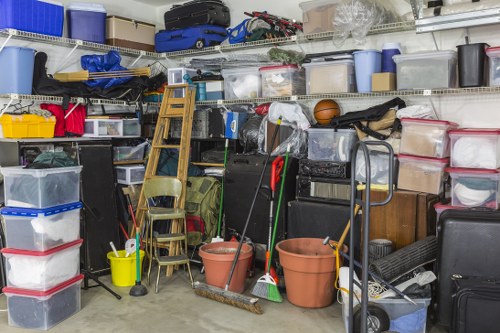
Not every job needs the same approach. A light tidy-up after pruning may only require collection of a few sacks and the removal of small garden items, while a neglected plot may need a more detailed sequence of clearing, sorting and lifting. The important thing is to match the work to the condition of the space. If the garden is partly maintained, a targeted clearance can preserve what is already in good order. If it is heavily cluttered, a broader approach may be more sensible.
For some customers, the best option is to focus on the worst-affected section first, then deal with the rest later. That can be useful where access is tight, where planting must be protected or where there are separate areas with different material types. It also means the quotation can stay accurate without overstating the scale of the work. If you are not sure where to begin, list the main problem areas and let the scope be shaped around those points.
When you are ready to move ahead, keep the request simple and specific. Mention the kind of waste, the areas involved and any access details that could matter on the day. Then ask for a quotation and let the clearer information do the work. Request a quotation if you want the job assessed against the actual clearance needed.