Garden Clearance Carshalton - Health & Safety Policy
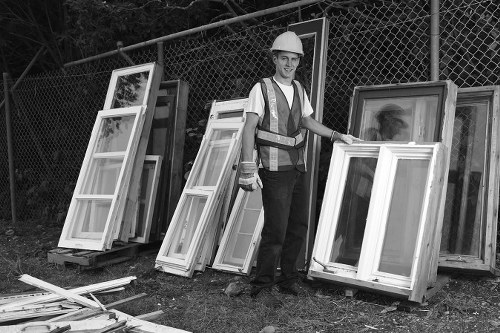 This Health & Safety policy sets out the commitments of Garden Clearance Carshalton to provide safe, lawful and effective garden clearance and rubbish removal services. The purpose is to protect employees, contractors, clients and members of the public from harm while delivering professional garden clearance, waste collection and tidy-up works. This policy reflects our operational standards for site safety, equipment use and environmental stewardship across the service area.
Our policy is designed to be clear, practical and proportionate. It describes roles and responsibilities, risk management processes, training expectations and reporting procedures. The document supports consistent delivery of garden waste removal and general rubbish clearance tasks while minimising risks to health and property. It is intended to be used alongside safe systems of work and relevant health and safety legislation.
 Scope: This policy covers all routine and non-routine activities related to garden clearance services, including verge tidy-ups, green waste collection, bulky item removal and site clearance. It applies to employees, subcontractors and temporary workers engaged in rubbish removal, vegetation cutting, pruning, timber and soil handling, and the use of machinery such as chipper shredders and powered tools. The policy also covers vehicle operations used to transport garden waste and general waste from site to designated disposal or recycling facilities.
Responsibilities and Accountability
Management is responsible for ensuring the policy is implemented effectively. Supervisors must ensure safe systems of work are followed and that risk assessments are current and accessible. Each worker has a duty to follow instructions, wear required personal protective equipment and report hazards promptly. Visitors and customers should be advised of on-site risks and safe zones prior to work commencing.Key duties include:
- Managers: develop procedures, arrange training and audits;
- Supervisors: implement controls, brief teams and monitor compliance;
- Operatives: use equipment correctly, maintain PPE and report incidents.
Training and competence are essential. All operatives will receive induction training covering hazard recognition, manual handling, safe lifting techniques, use of hand and power tools, vehicle loading/unloading and emergency response. Additional instruction is provided for machinery such as wood chippers, chainsaws and mechanical loaders. Records of training and competence assessments are retained and reviewed periodically to ensure ongoing suitability.
 Equipment, plant and vehicle safety are integral to safe garden clearance operations. All tools and machinery shall be inspected before use and maintained in accordance with manufacturer guidance. Mobile plant will be operated only by trained personnel and parked safely when unattended. Vehicles used for rubbish clearance will be secured, loads covered as required and drivers trained in safe loading, weight distribution and roadside working practices to minimise risks to the public and workforce.
Risk Assessment and Control Measures
Risk assessments are completed for each site or job and are reviewed whenever conditions change. Controls follow the hierarchy of risk reduction: elimination, substitution, engineering controls, administrative controls and personal protective equipment (PPE). Standard control measures include exclusion zones for chipping operations, appropriate signage, traffic management for roadside clearances and lockout procedures for mechanical equipment.Hazardous materials and segregation
Where hazardous items are encountered (asbestos, pesticides, contaminated soils, sharps or chemical containers), work will stop and the item will be assessed by a competent person. Hazardous materials are segregated from general green waste and rubbish and disposed of via authorised specialist contractors. Operatives are trained to recognise potential hazardous items and follow isolation and reporting procedures.Operational controls for manual handling and working at height are emphasised. Mechanical aids, team lifts and appropriate storage strategies are used to reduce manual handling risks during bulky rubbish clearance. For roofline, fence or raised bed work, safe access equipment such as platform ladders or mobile towers are specified and inspected prior to use. Any work involving ladders follows a permit to work standard and is supervised according to risk levels.
Emergency procedures: All staff are briefed on site emergency arrangements including first aid provision, fire procedures and vehicle incident response. Incidents and near misses are recorded and investigated to identify corrective actions and prevent recurrence. First aid kits and spill kits are maintained on vehicles and at central depots, and designated first aiders are identified for each team.
Record keeping, monitoring and review are critical to continuous improvement. Routine inspections, toolbox talks and safety audits are scheduled and results communicated to teams. Performance metrics include incident rates, training completion, equipment inspection records and audit findings. This data is used to update risk assessments, refine procedures and target further training or resource allocation.
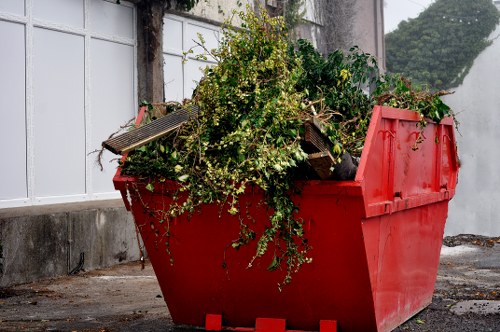 Environmental commitments support safe rubbish collection and green waste processing. Wherever possible, recovered vegetation and wood are recycled or processed for composting, and non-recyclable waste is handled in line with current environmental best practice. Waste segregation on-site reduces contamination, assists lawful disposal and minimises environmental harm. Contractors are selected based on competence and compliance with environmental standards.
 Communication and consultation are essential: regular briefings, recorded toolbox talks and access to this policy ensure workers understand their duties. Workers are encouraged to raise concerns and suggest improvements. Where subcontractors are engaged, they receive a site-specific briefing and are required to adhere to the same health and safety expectations as direct employees. This collaborative approach supports safe, efficient garden clearance and rubbish removal operations.
Commitment: Management and staff are committed to implementing this policy, maintaining safe working standards and continuously improving health and safety performance in garden clearance, waste handling and general rubbish removal activities. The policy will be reviewed at least annually or after significant changes to operations, legislation or following any major incident to ensure its continuing suitability and effectiveness.