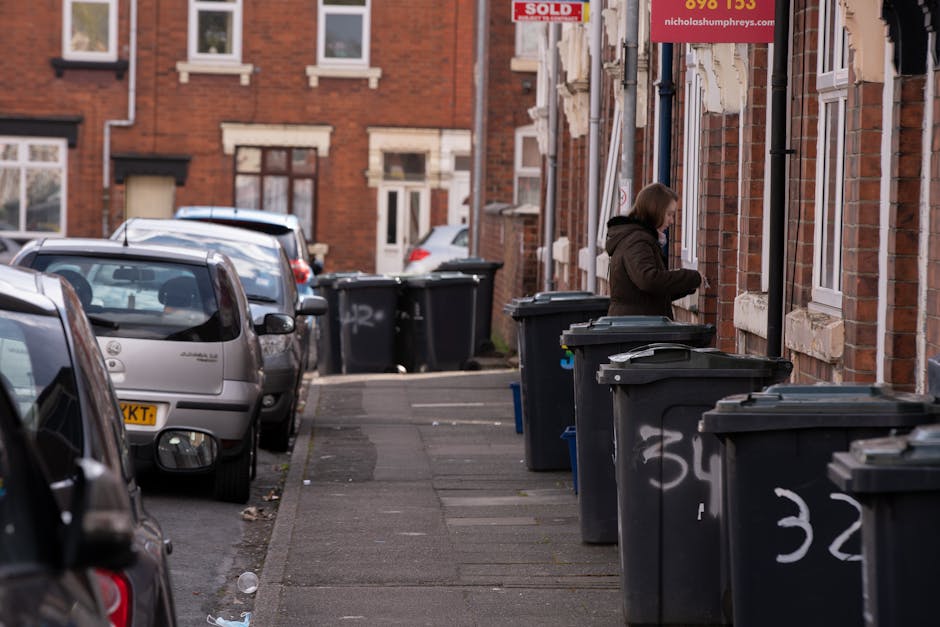
Access problems for terraced homes rubbish collection Carshalton
Terraced homes can be brilliant to live in, but rubbish collection is another story. Narrow front paths, shared entrances, tight side access, low railings, awkward steps, parked cars, and bins that seem to live just out of reach - it all adds up. If you are dealing with Access problems for terraced homes rubbish collection Carshalton, you are probably not looking for theory. You want to know what actually works, what tends to go wrong, and how to get waste removed without creating a half-day headache for everyone involved.
This guide walks through the real-world issues that come up in terraced streets, how a sensible collection approach works, what to prepare before the team arrives, and when a more flexible clearance option may be the cleaner solution. There is a bit of practical detail here too, because let's face it, the difference between an easy job and a frustrating one is often a meter, a gate latch, or whether the skip lorry can even get near the property.
Table of Contents
- Why access problems matter
- How terraced-home rubbish collection works
- Key benefits and practical advantages
- Who this is for and when it makes sense
- Step-by-step guidance
- Expert tips for better results
- Common mistakes to avoid
- Tools, resources and recommendations
- Law, compliance, standards, or best practice
- Options, methods, or comparison table
- Case study or real-world example
- Practical checklist
- Conclusion
- Frequently asked questions
Why Access problems for terraced homes rubbish collection Carshalton Matters
Access is not a small detail. In terraced streets, it can determine whether a collection is quick and tidy or slow, awkward, and more expensive than it needed to be. Many terraced properties in and around Carshalton have shared frontages, limited turning space, and very little room for large vehicles. Even when the waste itself is straightforward, the access can be the real challenge.
That matters for a few reasons. First, poor access slows down removal and can increase labour time. Second, it raises the risk of damage to brickwork, paving, doors, railings, or nearby parked vehicles. Third, it can create tension with neighbours if items are placed in shared areas for too long. Nobody wants rubbish bags waiting by the path all afternoon in plain sight. Not exactly the best look, to be fair.
There is also a practical safety angle. Heavy or awkward items carried through narrow hallways, over steps, or down tight passages can become a manual handling issue. That means more care, more planning, and sometimes a different disposal method altogether.
Expert summary: In terraced homes, the "best" rubbish collection method is usually the one that fits the site safely, avoids blocking access, and removes waste in as few trips as possible. Simple, but easy to get wrong.
If the waste is mixed, bulky, or stored somewhere awkward such as a rear yard, loft, or back alley, it may be worth looking at broader removal options rather than trying to force a standard collection. Services such as general waste removal or, where the job includes larger household items, house clearance can often be more practical than a narrow, item-by-item approach.
How Access problems for terraced homes rubbish collection Carshalton Works
The process should start with access, not with the rubbish itself. That is the part people often miss. A good collection provider will usually ask how the property is laid out, where the waste is stored, whether there is front or rear access, and if there are any height, width, or parking constraints. That information shapes the whole job.
In a typical terraced-home scenario, the waste may be:
- stored in the front garden or small forecourt
- kept in a rear yard reached through the house
- placed in a basement, loft, or top-floor room
- stacked in a shared passageway or alley
- mixed with furniture, renovation debris, or garden cuttings
Once access is understood, the collection method can be planned properly. For example, light bagged waste may be carried through the property in manageable loads. Bulkier items may need two-person lifting. In tighter streets, a smaller vehicle or a staged load-out may be a better fit than a large truck parked across the road. It sounds obvious, but people often plan the waste and forget the route.
Where the waste includes sofas, wardrobes, broken shelving, or heavy white goods, the job often becomes less about "rubbish collection" and more about controlled removal. That is where a service like furniture disposal or furniture clearance can help, because the team can factor in lifting, protection, and access from the outset.
What usually happens on the day
Most well-run collections follow a simple pattern:
- Arrival and quick site check
- Confirmation of what is being removed
- Route check from storage point to vehicle
- Safe lifting and loading
- Sweeping up loose debris where needed
- Final sign-off and departure
That final sweep matters more than people think. A clean finish is often what separates a professional job from a rushed one.
Key Benefits and Practical Advantages
When access is planned properly, the benefits show up immediately. Not in some dramatic way, just in the smoothness of the day. Fewer delays. Less back-and-forth. Less strain on the household. Fewer "can you just move that car a bit?" moments.
- Less disruption: Waste is removed without blocking the street or the front door for long.
- Reduced risk of damage: Proper planning helps avoid scuffed walls, cracked pots, or marks on steps and floors.
- Better neighbour relations: Shared spaces stay clearer, which matters in close-knit terraces.
- More predictable timing: Once access is mapped out, the job can be scheduled more realistically.
- Safer handling: Narrow spaces and heavy items are managed with the right number of people and the right method.
There is another benefit that often gets overlooked: decision clarity. If you know access is poor, you can choose the right service earlier. That may mean combining a small clearance with a larger removal visit, or arranging a separate load from an upstairs room. For home projects, a broader home clearance can sometimes be more efficient than trying to split the job into many tiny collections.
For landlords and agents, access-aware planning is even more useful. It helps reduce void-time stress, especially when a property needs to be turned around quickly after a tenant move-out. And if there is building or refurbishment debris involved, a dedicated builders waste clearance service may be more appropriate than a general household collection.
Who This Is For and When It Makes Sense
This topic is not just for people with overflowing bins. It is for anyone in a terraced home who has looked at a pile of waste and thought, "Right... how exactly is that getting out?"
It makes sense if you are:
- a homeowner clearing bulky household waste
- a tenant moving out and leaving behind mixed items
- a landlord preparing a terraced property for re-letting
- a letting agent coordinating a last-minute clearance
- a builder or decorator dealing with awkward access and light rubble
- someone with mobility limitations who needs a safer removal plan
It also makes sense if the access issue is temporary. Maybe a car is parked awkwardly, maybe bins are stored behind a locked gate, or maybe the only route out is through a narrow hall with a turn that is just a bit too tight. Those situations are common enough. Nothing unusual, nothing to be embarrassed about.
In some cases, the answer is not a standard "rubbish collection" at all. A fuller property clearance may be the sensible move, especially if access is tight and items are spread across several rooms. That is where flat clearance can also be relevant for upper floors or compact properties with similar access limits.
Step-by-Step Guidance
If you want a smooth collection in a terraced home, follow this order. It saves time, and it saves a lot of crossed wires.
1. Map the access route
Start at the point where the waste is stored and trace the exact route to the vehicle. Note doors, steps, tight corners, low ceilings, shared hallways, and any obstacles. If you would have to pivot a mattress like it is being introduced to a dance floor, the access is tight.
2. Measure the obvious pinch points
You do not need a full survey. Just check the width of gates, passageways, and hall doors for bulky items. A quick measurement can prevent a very awkward surprise on arrival.
3. Separate what is being removed
Keep the items to be collected apart from anything staying. Mixed piles slow everything down. It is also easier for the team to work safely if the route and load are clear.
4. Clear parking and curb space where possible
If access depends on a vehicle stopping nearby, make sure there is a realistic space to load. If parking is impossible, mention that early. The best teams would rather know in advance than discover it while standing outside in the drizzle.
5. Protect surfaces and vulnerable areas
Put down coverings where items will pass through a home. Cardboard, blankets, or floor protection can help, depending on the route. This matters especially in older terraces with narrow halls and painted walls that show scuffs easily.
6. Decide whether standard collection is enough
If the items are large, the pile is mixed, or access is especially poor, consider whether you need a more comprehensive removal service. A plan that works on paper but not in the hallway is not really a plan.
7. Confirm timing and instructions
Share any special instructions, including gate codes, neighbour sensitivities, or safe entry points. If you have a rear alley or shared access, say so clearly. Small details matter here.
Where there is a large quantity of rubbish, a more general waste removal booking may be the easier route. If the job is more about space recovery than just one pile, that broader approach often keeps things simpler.
Expert Tips for Better Results
These are the things that tend to make the biggest difference in terraced properties. Not flashy advice. Just the bits that save time and bother.
- Take photos before booking. A few clear pictures of the access route and the waste itself can answer a lot of questions without a long phone call.
- Clear the first metre. The first metre from the storage point to the exit is often the most important. If that is cluttered, the whole job feels harder.
- Use smaller sacks instead of one huge bag. In tight homes, smaller loads are safer and easier to carry.
- Warn about stairs early. Stairs change everything, especially with fridges, wardrobes, or awkward split items.
- Check for shared access rights. If the route crosses a neighbour's property or communal passage, make sure you are allowed to use it.
- Match the service to the waste type. Garden waste, building waste, furniture, and mixed household rubbish all behave differently on collection day.
A tiny bit of planning goes a long way. Really, it does. And if your access is limited by storage in a garage, it may be worth looking at garage clearance as part of the solution, because garages have a habit of becoming a final resting place for everything except the car.
Common Mistakes to Avoid
Most access problems are not dramatic disasters. They are little avoidable things that stack up.
- Leaving the access check until the team arrives. That is when delays become expensive and stressful.
- Assuming all vehicles can park outside. Terraced roads can be tight, especially at busy times.
- Forgetting about shared hallways or neighbours' vehicles. These can become unexpected blockers.
- Underestimating item size. A table looks smaller in the kitchen than it does in the doorway.
- Mixing different waste types together. It makes sorting harder and can complicate disposal.
- Not mentioning loft or basement access. These are the places that catch people out most often.
One of the biggest mistakes is trying to "make do" with a service that was never really suited to the property layout. If access is awkward and the waste is substantial, it is usually better to choose a more flexible option than to force a standard collection and hope for the best. Hope is not a method.
Tools, Resources and Recommendations
You do not need much to prepare, but a few simple tools help.
- Tape measure: Useful for gates, hallways, and item dimensions.
- Phone camera: Photos of access points are often more helpful than long descriptions.
- Bin bags or rubble sacks: Keep small waste contained and easier to move.
- Gloves and sturdy footwear: Handy if you are pre-stacking items safely before collection.
- Protective coverings: Good for floors and narrow routes through the home.
From a service perspective, it is sensible to compare providers not just on price, but on how well they handle access. A clear quote page such as pricing and quotes can be useful when you are deciding whether the job is straightforward enough for a basic collection or needs a more involved clearance.
You may also want to check the provider's approach to insurance and safety and their broader recycling and sustainability commitment. Those pages matter because access problems often lead to more handling, and you want that handled responsibly.
Law, Compliance, Standards, or Best Practice
For rubbish collection in terraced homes, the main thing is to follow normal UK waste-handling best practice. That means waste should be collected, transported, and disposed of properly, with care taken around safety, sorting, and duty of care. If you are a homeowner, you still need to make sure the waste ends up with a legitimate carrier or disposal route. If you are a landlord, builder, or business, your responsibility is even clearer.
Access issues also link closely with health and safety. Narrow passages, stairs, and repeated lifting increase the chance of strain or slips. Best practice is to reduce risk where possible: clear the route, use the right number of people, avoid rushing, and do not overload bags or carry items that are obviously too awkward for the space.
If you are arranging clearance in a property with vulnerable occupants, shared access, or a busy residential street, courtesy matters too. Keep obstruction time down, avoid blocking neighbours, and communicate clearly if a gate or driveway needs to be used. That is not a legal lecture; it is just common sense in a packed row of homes.
It is also sensible to use providers with clear policies. Pages like health and safety policy, terms and conditions, and complaints procedure can help you understand how the business works before you book. That builds trust, and honestly, it saves awkward conversations later.
Options, Methods, or Comparison Table
Different access problems call for different methods. This table gives a quick, practical comparison.
| Method | Best for | Strengths | Limitations |
|---|---|---|---|
| Standard collection | Small, easy-to-reach waste | Simple and quick | Poor for tight access or bulky items |
| Two-person manual removal | Bulky items through narrow routes | Flexible and controlled | Slower if the pile is large |
| Full property clearance | Mixed waste across several rooms | Efficient for bigger jobs | More planning needed |
| Specialist furniture removal | Sofas, beds, wardrobes, heavy items | Safer lifting and handling | May not suit all waste types |
| Garden or outdoor clearance | Waste stored in yards, patios, or rear spaces | Useful for awkward outdoor access | May need separate indoor access planning |
The right option usually depends on what is being removed and how hard it is to get to. A mixed pile in a back yard is rarely best handled the same way as a few bagged items by the front gate. Seems obvious, but people mix these up all the time.
For properties with outdoor clutter or overgrown side areas affecting access, a separate garden clearance may make the whole rubbish collection easier by opening up the route first.
Case Study or Real-World Example
Here is a realistic example from a typical terraced street. A homeowner in Carshalton had an old sofa, a broken coffee table, a few sackloads of mixed waste, and a stack of unwanted items stored in a rear room. The front path was narrow, the hallway had one sharp turn, and there was nowhere obvious to park directly outside for long.
At first glance, it looked like a simple "take it away" job. In practice, it needed a bit more thought. The team checked the route, protected the floor near the tight corner, and carried the lighter sacks first to open up space. The sofa was handled separately so it could be angled safely through the hallway. Nothing dramatic, just careful sequencing.
The important bit was that the job did not turn into a chain of small problems. The route was clear, the lifting was controlled, and the waste was gone without damage or stress. The homeowner later said the biggest relief was not the removal itself, but the fact that the hallway was left clean and usable afterwards. That feeling is familiar, I think. Once the clutter goes, the room breathes again.
In a similar situation, if the property includes both household clutter and storage overflow, a broader home clearance can be the tidiest solution. If the job centres on old furniture only, then furniture clearance may be enough.
Practical Checklist
Use this before booking or on the morning of collection.
- Have I identified the exact route from waste to vehicle?
- Are there any steps, tight corners, or low ceilings?
- Have I measured any gates or doorways that might be a problem?
- Is the waste separated from items that are staying?
- Have I mentioned shared access, neighbour restrictions, or parking limits?
- Do I know whether the waste is general, furniture, building, garden, or mixed?
- Have I protected floors or walls where items will pass through?
- Is the collection team aware of anything awkward, heavy, or fragile?
- Do I need a broader clearance rather than a basic collection?
- Have I checked the provider's safety and payment information?
That is usually enough to catch the main issues. If you can answer most of those before the job starts, you are in a good place.
Conclusion
Terraced homes are often charming, but rubbish collection can be fiddly when access is tight. The good news is that most access problems are manageable if you plan early, measure the pinch points, and choose the right type of removal for the property layout. In Carshalton, that often means thinking beyond the waste pile itself and looking at the route, the parking, the stairs, and the people involved.
When the job is assessed properly, the whole process becomes calmer. Less lifting risk, less disruption, less guessing. And that is really what good collection is about - not just removing clutter, but making the whole thing feel easy enough that you barely remember the awkward part afterwards.
If you are still weighing up the best approach for a narrow terrace, take a moment to compare the type of waste, the access route, and the time you want to spend coordinating it. A small bit of planning now can save a surprisingly large amount of bother later.
Get a free quote today and see how much you can save.
Frequently Asked Questions
What are the most common access problems for terraced homes in Carshalton?
The usual problems are narrow hallways, shared passageways, front steps, limited parking, tight rear access, and bulky items that are hard to turn through doorways. Often it is the doorway corners, not the size of the waste itself, that cause the delay.
Can rubbish be collected from the back of a terraced house?
Yes, if there is safe access through the house, side passage, or rear alley. The key question is whether the route is clear and safe for the items being moved. If access is awkward, it should be explained before the collection is booked.
Is a terraced-home rubbish collection more expensive because of access issues?
It can be, depending on the amount of extra labour, time, or vehicle planning needed. Not every job costs more, though. A small, well-prepared collection with clear access may still be straightforward. The best way to avoid surprises is to describe the access honestly.
What if there is nowhere for the vehicle to park outside?
That is common in tighter streets. In many cases, the team can park nearby and carry items a short distance, but this should be discussed in advance. If access depends on a very specific parking arrangement, say so early.
Can I leave rubbish in the front garden for collection?
Yes, if it is safe, permitted, and does not block neighbours or the pavement. Front gardens and forecourts often make collections easier, but items should still be arranged neatly so the team can load them without delay.
Do I need to measure the doorways before booking?
You do not always need exact measurements, but they are very helpful for bulky items like sofas, wardrobes, and appliances. A quick check can prevent failed collection attempts and avoid damage to the property.
What should I do if the waste is in a loft or upstairs room?
Tell the provider as soon as possible. Loft and upstairs removals take more time and care because of stairs, turns, and lifting limits. For larger jobs, a more complete clearance may be better than a standard collection.
Is furniture removal better than general rubbish collection for access problems?
Sometimes yes. If the main issue is bulky household furniture, a furniture-focused service can be safer and more efficient than a general collection. It depends on the mix of waste and how difficult it is to move through the property.
What happens if the access route is too tight on the day?
The team may need to adjust the method, remove items in smaller loads, or in some cases suggest a different service. That is why pre-booking details matter. A quick photo or description can prevent the issue before anyone turns up.
How can I prepare a terraced house for a rubbish collection?
Clear the path, separate the items, measure pinch points, protect surfaces where possible, and tell the provider about parking or neighbour issues. Simple preparation usually makes the biggest difference.
Are there safety rules I should follow when moving waste through a narrow terrace?
Yes. Keep walkways clear, avoid overloading bags, use safe lifting techniques, and do not force large items through tight gaps. If something looks awkward or heavy, it is better to stop and reassess than to risk injury or damage.
When should I choose a full house clearance instead?
If the waste is spread across several rooms, includes large furniture, or needs to be moved through difficult access points, a full clearance may be the more practical choice. It can save time and reduce repeated handling. Sometimes the broader job is actually the easier one.