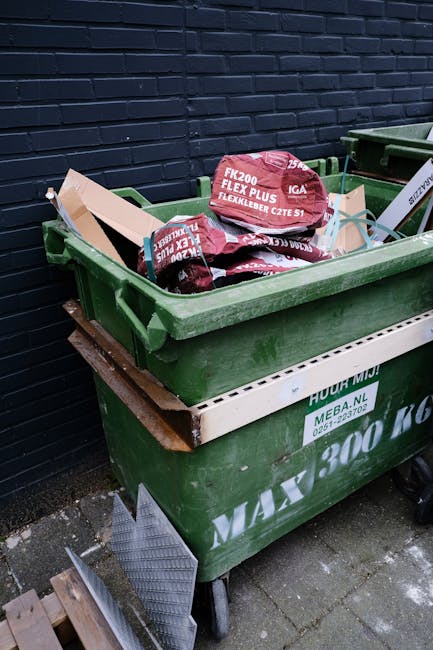
Carshalton Village bulky rubbish collection tips

If you have a sofa blocking the hallway, a broken wardrobe in the spare room, or a pile of garden waste that has quietly become a very visible problem, you are not alone. Carshalton Village bulky rubbish collection tips are really about making a messy job simpler, safer, and less expensive than it first looks. The trick is knowing what counts as bulky waste, how to prepare it properly, and when a professional clearance service is the cleanest option.
In a place like Carshalton Village, where homes can be a bit tight on space and access can be awkward, planning matters more than people think. One badly placed fridge or a heavy mattress can turn a quick clear-out into a Saturday-long headache. This guide walks you through the practical side of bulky rubbish collection, with clear steps, common pitfalls, and local-minded advice you can actually use.
Why Carshalton Village bulky rubbish collection tips Matters
Bulky rubbish is not just "more stuff." It is usually awkward, heavy, difficult to lift, and often the kind of waste that can damage walls, steps, bannisters, or your back if you rush it. That is why a sensible approach matters. A broken bed frame in a front room might seem harmless until you try to angle it through a narrow doorway with one person holding the door, another controlling the legs, and somebody muttering "it'll fit if we tilt it" - which, to be fair, is how problems start.
In Carshalton Village, many properties have real-world access challenges: tight stairwells, shared entrances, limited driveway space, and street parking that can make loading awkward. Even one large item can change the whole plan. Good bulky rubbish collection tips help you avoid last-minute stress, reduce damage risk, and make sure the waste goes where it should.
It also matters because bulky items often contain mixed materials. A wardrobe may be wood, metal, screws, glass, and laminate all at once. A sofa may contain textiles, springs, foam, and timber. Sorting that properly improves recycling outcomes and helps make the clearance more efficient. If sustainability matters to you, our recycling and sustainability approach explains why careful separation is worth doing well.
Key point: bulky rubbish collection is easiest when you plan the route, sort the items, and avoid treating everything like one big pile. That one habit saves time more often than not.
How Carshalton Village bulky rubbish collection tips Works
At a practical level, bulky rubbish collection is a straightforward process: identify the items, decide what should be removed, prepare them for lifting and transport, and arrange the most suitable collection method. The details are where people either save time or create chaos.
Here is the usual flow:
- Identify the bulky items. This could include furniture, mattresses, white goods, shelving, carpets, garden debris, or renovation leftovers.
- Separate reusable, recyclable, and landfill-bound items. A service like furniture clearance can be especially useful when you have mixed household items that need sorting.
- Check access. Note stairs, parking, narrow corridors, lifts, garden paths, and any obstacles like bike racks or bins.
- Remove loose contents. Empty drawers, shelves, and cupboards before collection if possible. It is much safer and lighter.
- Choose the right disposal route. Some items may be suitable for specialist handling, while others are fine for a general waste removal service.
- Arrange collection and confirm timing. Be realistic about how much can be moved in one visit.
Some items need a bit more care. Electrical items, for example, should not just be dragged outside and forgotten about. Beds, wardrobes, and cupboards often need partial dismantling. Garden waste is a different story again, especially if it includes soil, branches, old fencing, or broken planters. There is no single "one size fits all" method, which is why clear categorisation helps so much.
If the job is attached to a bigger project, such as a renovation or post-build tidy-up, a specialist service like builders waste clearance may be more appropriate than a standard household collection. Same goes for home projects that have spilled into every room. In those cases, a broader home clearance can be the cleaner choice.
Key Benefits and Practical Advantages
Done properly, bulky rubbish collection is one of those jobs that gives you immediate relief. You feel it in the room straight away. More floor space, less clutter, fewer trip hazards, and a sense that the house can breathe again.
- Safer moving. Removing heavy or awkward items reduces injury risk and the chance of scraping walls or floors.
- Better organisation. You can see what you actually have, which helps with redecorating, moving, or simply regaining control.
- More efficient recycling. Sorting ahead of time can improve reuse and material recovery.
- Less disruption. A planned collection is usually calmer than an improvised one.
- Time saved. What might take several journeys in a car can often be handled in one properly managed visit.
There is also a quieter benefit: it reduces decision fatigue. Anyone who has stared at an old sofa for three weeks knows what that means. You stop mentally carrying the job around. That alone is worth something.
For larger domestic clear-outs, it can be worth looking at more specific services too. A packed loft, for example, may call for loft clearance, while a cluttered outbuilding may be easier to deal with through garage clearance. Matching the method to the mess makes the whole process smoother.
Who This Is For and When It Makes Sense
Bulky rubbish collection tips are useful for more people than you might think. It is not only for house moves or major refurbishments. In Carshalton Village, the common situations tend to be very everyday.
- Homeowners clearing old furniture, mattresses, or broken appliances.
- Renters who need to remove unwanted items before a move-out inspection.
- Landlords handling left-behind furniture after a tenancy ends.
- Families making space for a child's room, new furniture, or a safer hallway.
- Business owners replacing office furniture or clearing storage.
- Gardeners and DIYers with leftover waste from a weekend project.
It makes sense when the items are too big for normal bins, too awkward for a standard car, or too many to shift without help. It also makes sense when time is tight. If you are juggling work, school runs, and the practical reality of a cluttered room, the quickest route is often the smartest one.
For shared properties and smaller homes, a flat clearance can be especially helpful because access and stair movement are usually the hardest part. Office spaces, meanwhile, often need a more discreet office clearance approach so staff can keep working without the place turning upside down.
Step-by-Step Guidance
If you want the collection to run smoothly, don't start with lifting. Start with the plan. That is the bit people skip, and then regret it halfway through a staircase.
- Walk the space first. Check what is being removed and where it sits. Look at doors, hallways, corners, and anything fragile nearby.
- Measure the awkward items. A wardrobe that looks manageable in a bedroom can be a nightmare in a narrow hallway.
- Clear a path. Move shoes, rugs, lamps, plant pots, bins, and anything else that could catch a toe or a wheel.
- Separate item types. Put furniture, electricals, garden waste, and construction debris into their own rough groups.
- Remove contents and fix loose parts. Tape drawers shut, bag small screws, and keep matching parts together.
- Decide what can be dismantled. Some flat-pack furniture, shelving, and bed frames are easier to remove in pieces.
- Confirm disposal priorities. If reuse or recycling is possible, say so at the outset.
- Arrange the collection method. For bigger household projects, a house clearance can be a practical all-in-one solution.
- Do a final safety check. Keep pets, children, and bystanders out of the route while lifting starts.
- Leave nothing in the way. Once collection begins, keep the path clear until the last item goes.
It sounds simple, and mostly it is. But simple jobs become awkward when the clutter is left to chance. A five-minute prep can save twenty minutes of faffing. Maybe more.
Expert Tips for Better Results
Here are the tips that tend to make the biggest difference in the real world, especially where access is tight or the waste mix is messy.
1. Group items by shape, not just by room
Long items, heavy items, and fragile items behave differently when moving through a property. A bed base and a stack of old books are both "stuff," but they are not the same job.
2. Use furniture covers or blankets where needed
If something is being carried through a painted hallway or a narrow doorway, a bit of protection is worth it. It only takes one corner to mark a wall.
3. Keep a clear access note
If the collection team needs to know about a locked gate, a steep step, or restricted parking, mention it early. That one detail often decides whether a job feels smooth or difficult.
4. Prioritise items that will cause the biggest relief
Start with the biggest visual blockers. In many homes, that is the sofa, the wardrobe, or the old mattress. Once those are gone, the rest feels manageable.
5. Think in terms of rooms regained, not just rubbish removed
This sounds a bit fluffy, maybe, but it helps. You are not just throwing out a cupboard; you are making the spare room usable again. That shift in mindset keeps the job focused.
If you need help with disposal of specific bulky furniture pieces, furniture disposal is often the most direct route, especially when the item is no longer reusable. And if the clutter has spread into a basement, garage, or storage room, it is often worth combining services rather than booking separate visits for everything.
Common Mistakes to Avoid
Most bulky rubbish problems are not caused by the items themselves. They are caused by bad timing, poor sorting, or optimistic assumptions. The classic one is standing in front of a pile and saying, "We'll just do it this afternoon." Famous last words.
- Leaving items unsorted. Mixed waste takes longer to handle and is harder to manage responsibly.
- Blocking exits or corridors. This slows down the job and creates avoidable hazards.
- Underestimating weight. A water-damaged cabinet or old mattress can weigh more than it looks.
- Forgetting about fittings and fixings. Loose glass panels, screws, and sharp brackets are easy to overlook.
- Assuming everything can go together. Some waste streams need different handling.
- Not checking what is reusable. A few items may still have life left in them, and that matters.
- Ignoring access issues until the day of collection. That often leads to delay or extra work.
A smaller but common mistake is not thinking about the order of removal. If the heaviest item is behind several lighter items, move the light stuff first. It sounds obvious after the fact. Less obvious at 8.15am with a cup of tea and a hallway full of chairs.
Tools, Resources and Recommendations
You do not need a van full of equipment to handle bulky rubbish well, but a few basic tools make life easier.
- Work gloves for grip and hand protection.
- Strong bin bags or rubble sacks for loose contents and smaller waste.
- Packaging tape for securing drawers, doors, and cables.
- Blankets or moving pads to protect walls and door frames.
- A screwdriver or Allen key set for dismantling furniture.
- A torch for lofts, garages, and under-bed spaces.
- Label stickers or marker pens if you are sorting items before collection.
For homeowners dealing with clutter across several rooms, home clearance can be a good fit because it handles the broader job rather than just one item. If your clear-out involves mixed premises, such as a small workplace or an admin room that has become a dumping ground, business waste removal may be the better match.
On the practical side, it is also sensible to review pricing, timing, and what is included before you commit. Transparent pricing and quotes help you compare options without guesswork, which is useful when you are trying to keep a job tidy and on budget.
Law, Compliance, Standards, or Best Practice
Bulky waste collection is not just about convenience. In the UK, waste needs to be handled responsibly, and that means using sensible best practice from start to finish. You do not need to become a law expert, but you should know the basics.
As a general rule, waste should be transferred to a legitimate carrier, and items should be sorted and handled in a way that supports reuse, recycling, or lawful disposal where appropriate. If a service is collecting waste from your property, it is sensible to check that the process is transparent, insured, and handled carefully. That is part of why pages such as insurance and safety and health and safety policy matter to customers, even if they are not the most exciting things to read over breakfast.
Best practice also means protecting people on site. Heavy lifting should be controlled, routes should be kept clear, and fragile surfaces should be protected where possible. In shared buildings, it is courteous to reduce noise, avoid blocking communal access, and minimise disruption. That is not a legal lecture; it is just good sense.
If you are disposing of items that might contain hazardous components, or waste mixed from a renovation, do not assume it all belongs in the same pile. When in doubt, treat it cautiously and ask for guidance. Careful handling now is better than a complicated problem later.
Options, Methods, or Comparison Table
There are usually three practical ways to deal with bulky rubbish in Carshalton Village: do it yourself, book a specific removal service, or use a more general clearance option. Each one has a place.
| Method | Best for | Advantages | Trade-offs |
|---|---|---|---|
| DIY removal | Small, light items and people with access to a suitable vehicle | Flexible timing, hands-on control | Heavy lifting, multiple trips, higher risk of damage |
| Targeted furniture or item removal | Sofas, beds, wardrobes, white goods, single bulky items | Efficient for one-off problems, less hassle | May not suit mixed clear-outs |
| Full clearance service | Whole-room, garage, loft, house, or office jobs | Broad coverage, better for mixed waste, saves time | Can be more than you need for a single item |
For many households, the right answer is somewhere in the middle. If you have one sofa, one mattress, and a couple of broken chairs, targeted removal may be enough. If you have furniture, garden waste, and leftover bits from a clear-out all at once, a more complete service is usually cleaner.
Case Study or Real-World Example
Imagine a typical Carshalton Village terrace house: a spare room has become storage over two years. There is an old chest of drawers, a sagging mattress, two broken dining chairs, a box of cables, and a few bags of mixed odds and ends. Nothing dramatic, just enough clutter to make the room feel smaller than it is.
The homeowner starts by clearing a path from the room to the front door. The drawers are emptied, the mattress is rotated so it can be carried safely, and the chairs are grouped together. The cables go into a separate bag so they do not tangle around feet. A quick check on the doorway width reveals the chest of drawers will be easier to move in parts, so it is dismantled before removal.
That small bit of prep changes the whole job. Instead of one awkward, stop-start process, the items are removed in a clean sequence. The room is usable again by the end of the visit, and the homeowner can finally get on with decorating. Nothing glamorous. Just practical, and honestly, quite satisfying.
This same approach works for larger spaces too. A cluttered outbuilding may benefit from garage clearance, while a more extensive property reset may need house clearance to deal with several rooms in one go.
Practical Checklist
Use this before collection day. It keeps things calm, which is half the battle.
- Identify every bulky item that needs to go.
- Separate reusable, recyclable, and disposable items where possible.
- Measure very large items and note any awkward turns or stairs.
- Remove loose contents from drawers, cupboards, and shelves.
- Bag small parts, screws, and fittings together.
- Clear the route to the exit.
- Protect walls, floors, and corners if needed.
- Keep children and pets away from the moving path.
- Confirm access details and timing.
- Prepare any items that may need dismantling.
- Check whether a specialist clearance is more suitable for the load.
- Leave a final clear space near the exit for staging items.
If you are dealing with an especially varied load, a flexible waste removal service is often easier than trying to force everything into one category. And if you want to understand the business side of choosing the right provider, the about us page can also help you judge who you are dealing with before you book.
Get a free quote today and see how much you can save.
Conclusion
The best Carshalton Village bulky rubbish collection tips are not complicated. Plan the route, sort the items, protect the property, and choose the right collection method for the size of the job. That is the heart of it. Whether you are clearing one awkward sofa or several rooms' worth of clutter, a little structure makes everything easier.
What people usually want, after all, is not just waste removed. They want the room back, the stress gone, and the job done without drama. Fair enough. That is a reasonable ask.
And if the pile still looks bigger than your weekend energy, that is exactly the point where getting help starts to make sense. A tidy exit, a clear floor, and a proper reset can feel like a small win - but sometimes small wins are the ones that make the house feel like yours again.
Frequently Asked Questions
What counts as bulky rubbish in Carshalton Village?
Bulky rubbish usually means items that are too large, heavy, or awkward for standard household bins. Common examples include sofas, wardrobes, mattresses, tables, white goods, and large garden items.
Is it better to dismantle furniture before collection?
Often yes, if it can be done safely. Flat-pack furniture, bed frames, and shelving are usually easier to move in pieces. If dismantling would take too long or risks damage, leave it assembled and mention it in advance.
How do I prepare a bulky waste item for removal?
Empty drawers and cupboards, secure loose parts, clear a safe route, and make sure the item is accessible. If possible, remove sharp edges, glass pieces, or fragile attachments before the collection day.
Can bulky rubbish collection include mixed waste?
Yes, in many cases it can, but it is better to separate items where practical. Mixed loads are harder to process and may need different handling depending on the contents.
What should I do with old furniture that still has some life left in it?
If it is usable, consider whether it can be reused or passed on before disposal. If it is too damaged, then disposal or clearance is the more realistic option. Good condition items are usually worth flagging early.
Do I need to worry about parking or access for collection?
Yes, absolutely. Parking, stairs, gates, narrow hallways, and shared entrances can all affect how the collection is handled. Mention access issues up front so the job can be planned properly.
Is bulky waste collection suitable for flats and upper floors?
Yes, but the process needs more care. Lifts, stairwells, and communal areas need protecting, and some items may need dismantling first. A flat clearance approach is often the better fit.
How do I choose between furniture disposal and a full clearance?
If you only have one or two items, furniture disposal may be enough. If the waste includes other household, garage, loft, or garden items, a broader clearance service is usually more efficient.
What is the safest way to move heavy items?
Use proper lifting techniques, keep the route clear, and avoid twisting while carrying. If an item is too heavy or awkward, do not force it. That is when damage and injury tend to happen.
Can I combine garden waste with bulky rubbish?
Yes, sometimes you can, but it depends on the load and how it is mixed. Garden material such as branches, soil, and old fencing may need a different handling plan. If the garden has become a jungle, garden clearance can be the neatest option.
How far in advance should I arrange a bulky collection?
As early as you reasonably can, especially if you need access planning or are clearing a larger property. A bit of lead time helps avoid rushed sorting and awkward last-minute lifting.
What if I am not sure whether my waste can be collected?
If you are unsure, make a rough list of the items and note anything unusual, such as electricals, mixed materials, or potential hazard concerns. It is better to clarify before the day than to guess and hope.